$110.00
All Levels
Woodturning Basics: Bowl -- CLS312
with Ken BurtonWednesday, June 10, 2026, 5:30 PM - 8:30 PM
Explore the possibilities of bowl turning as you learn to use a bowl gouge to turn your first bowl.



Explore the possibilities of bowl turning as you learn to use a bowl gouge to turn your first bowl.

Get started at the lathe by learning the basics of spindle turning. In this exciting hands-on class you'll learn the skills required to start making spindles on the lathe as you turn two objects: a cove and bead stick and a vase. Tools covered include the roughing gouge, the spindle gouge, and the parting tool.

In this class you will make and take home a Raised Panel Door. This configuration of raised panel door will include a fixture (template) that will allow you to add a decorative profile to the door. You will also learn how to size the panel within its frame to accommodate wood’s seasonal movement. The door will be built using a band saw, templates, and router table, with a constant emphasis on safety. This class will give you the confidence you need for making raised panel doors in your own shop.

What goes together like chips and dip? Why, wood and ceramics of course! Whether you're new to turning or have already made a bowl or two, you're sure to have a blast with this fun, new, hands-on class. In just three hours you'll learn to turn a wonderful wooden party tray with a recess perfectly sized to fit a ceramic ramekin. All this, just in time for the coming holiday.

Learn the basics of woodcarving as you create a stylized bird figurine. Topics covered: tools to use including knives, chisels, and carving burrs; sharpening; work holding; wood selection; reading the grain; and more. Participants need to have or purchase a small carving knife such as Flexcut’s model KN13 (#814267) or KN12 (#814266) or/and a Kevlar safety glove (#06I63-other sizes available—you’ll only need one, not a pair)

This beginning band saw class will provide a hands-on approach to learning the anatomy of the bandsaw. Topics include instruction on the types of band saws, band saw blades and tuning procedures.

Dovetail Jig In this class you learn about the anatomy of the dovetail jig and its application. The templates, router, router bits and guide bushings. A brief discussion about the various other dovetail jigs on the market. The dovetail jig we will use in the class is the Porter Cable 4200 series. Explain the dovetail types and their usage, such as through, half blind, variable space, sliding and box joints. We will discuss stock material and its layout for cutting dovetails. Also we will discuss the safety aspects of using the dovetail jig and its components.

This class is designed for a full day of turning. In the morning you turn a Pen and the afternoon you turn a bowl. Pen Turning Description: You can make the great looking pens, ones that are as unique as those available in fine gift shops. Learn the tips and techniques that produce excellent results every time. You will be shown how to cut, drill, square the ends, turn, sand, apply a durable finish quickly and then assemble the parts. You start with a raw piece of wood, a pen kit with hardware, a Mini Lathe, and by the end of class you have a beautiful, functional piece of woodworking that you did yourself. Learn the fundamentals of creating a pen from wood selection, tool selection and proper lathe techniques to finishing. Soon you will be making pens for all your friends. Bowl Turning Description: Each student will turn a bowl. Blanks will be mounted and the outside shaped including a tenon. The blank will be reversed and held in a chuck while the inside is hollowed and smoothed. The blank is finally reversed to turn away the tenon. Students will practice the cuts appropriate for shaping and smoothing the inside and outside using a bowl gouge and a scraper. At the end of class students should be able to turn a bowl on their own.

Band-saw box art and techniques will spark your interest in woodcrafting and ignite your creative skills. With this woodworking style, you can free yourself from the safe structure of a ruler and let your imagination flow. In this class you will learn the full potential of your band saw. Tools being used will be: band saw, spindle sander, and assorted hand tools.

Table Saw 101 introduces you to basic table saw operation and safety. The class will review the types of table saws, table saw anatomy, how to maintain and tune your saw, proper cross cutting and ripping techniques. This is a hands-on class with proper operation and safety as the main topic.

Explore the possibilities of bowl turning as you learn to use a bowl gouge to turn your first bowl.

In this class you will prepare stock, prepare a casting mold and turn to a finished project. Preparing stock consist of cutting and/or sanding stock to fit into your casting mold. Prepare the casting mold consist of assembling, sealing and coating the mold to accept the casting resin. The prepared stock and mold will be placed into a pressure pot with the required pressure for a duration of time. The project will be turned and sanded to a finished grit, parted off the lathe and then polished to a glossy smooth finished. You will be turning a previously poured resin blank. The resin blank you will pour in the class will be used for the next upcoming class.

This is a introductory course to CNC. Students will learn the basic components of a CNC machine and fundamentals of how to design and machine a simple sign.

This is a introductory course to VCarve software used for designing projects for CNC. Students will learn the fundamentals of creating and machining a project on CNC.

This is the 2nd class in the series and will advance the skill level of the student to use VCarve software. In this class the student will learn how to use layers, import files, edit vectors, manipulate text and combine multiple toolpaths into one file. The student will design and carve a picture.

This is the 3rd class in the series and will advance the skill level of the student to use VCarve software. In this class the student will learn how to use Transform Function, dimension work, use guidelines, use Tabs, design and machine a gear.

Get started at the lathe by learning the basics of spindle turning. In this exciting hands-on class you'll learn the skills required to start making spindles on the lathe as you turn two objects: a cove and bead stick and a vase. Tools covered include the roughing gouge, the spindle gouge, and the parting tool.

In order to get clean, tight-fitting joints in your woodworking projects, you must be able to accurately flatten, square, and true-up your boards before you even begin the joinery. In this class, you'll learn how the Jointer, Planer, and Tablesaw work together to help you accomplish this fundamental, but necessary task.

This is the 4th class in the series and will advance the skill level of the student to use VCarve software. In this class the student will learn how to use design 3D project, import 3D objects, manipulate 3D objects, create a toolpath and machine a 3D model.

Want to take your CNC knowledge to the next level? Learn to enhance you CNC projects and signs with inlays using contrasting colors. In this class you will learn how to prepare your project for inlaying and creating the inlay to fit your project.

This is a introductory course to CNC. Students will learn the basic components of a CNC machine and fundamentals of how to design and machine a simple sign.

This Course will cover various aspects of using routers, the class will review the router and components, various bits, proper adjustment, operation and safety of the router.

This is a introductory course to VCarve software used for designing projects for CNC. Students will learn the fundamentals of creating and machining a project on CNC.

This is the 2nd class in the series and will advance the skill level of the student to use VCarve software. In this class the student will learn how to use layers, import files, edit vectors, manipulate text and combine multiple toolpaths into one file. The student will design and carve a picture.

Explore the possibilities of bowl turning as you learn to use a bowl gouge to turn your first bowl.

Face Frame cabinets are one of the most widely used cabinets. The face frame is attached to the front of the cabinet box (carcass) and the cabinet doors cover the opening of the face frame. Students will be making a cabinet carcass along with the face frame using specific joinery methods to assure solid construction. Students should be prepared for hands-on use of the table saw, router, Kreg Pocket Hole Jig, clamps and other miscellaneous woodworking tools. Skills developed in this class will apply to many other woodworking projects. Students will be able to take the completed cabinet home.

Students will learn Veneering and Inlay principles and basic techniques. Veneering offers the woodworker the use of woods and woodworking options that are unavailable utilizing solid wood. Prior woodworking experience is helpful but not required. Woodworkers can expect to learn techniques that will advance their skills and provide an exciting range of woodworking options. Some of the topics to be covered in the class include: veneering styles, types of veneer and substrates, veneer cutting, arranging, types of glues used, and various veneer matches. The class will include: hands-on matching, cutting, taping and gluing veneers and inlays.

Get started at the lathe by learning the basics of spindle turning. In this exciting hands-on class you'll learn the skills required to start making spindles on the lathe as you turn two objects: a cove and bead stick and a vase. Tools covered include the roughing gouge, the spindle gouge, and the parting tool.

In this class you will make and take home a Raised Panel Door. This configuration of raised panel door will include a fixture (template) that will allow you to add a decorative profile to the door. You will also learn how to size the panel within its frame to accommodate wood’s seasonal movement. The door will be built using a band saw, templates, and router table, with a constant emphasis on safety. This class will give you the confidence you need for making raised panel doors in your own shop.

Relief carving is the process of cutting a pattern or design into a flat surface so that the design protrudes from the wood, which gives the piece a sense of depth. In this exciting, three-hour class, Ken will guide you through the process of carving a Celtic Knot using a variety of carving chisels. No experience required.

This 2 day class you will expand your turning skills as you make an exquisite hollow form capped with a contrasting lid. Techniques to be covered include turning interior hollows, making finials, and sizing mating parts.

This class is designed for a full day of turning. In the morning you turn a Pen and the afternoon you turn a bowl. Pen Turning Description: You can make the great looking pens, ones that are as unique as those available in fine gift shops. Learn the tips and techniques that produce excellent results every time. You will be shown how to cut, drill, square the ends, turn, sand, apply a durable finish quickly and then assemble the parts. You start with a raw piece of wood, a pen kit with hardware, a Mini Lathe, and by the end of class you have a beautiful, functional piece of woodworking that you did yourself. Learn the fundamentals of creating a pen from wood selection, tool selection and proper lathe techniques to finishing. Soon you will be making pens for all your friends. Bowl Turning Description: Each student will turn a bowl. Blanks will be mounted and the outside shaped including a tenon. The blank will be reversed and held in a chuck while the inside is hollowed and smoothed. The blank is finally reversed to turn away the tenon. Students will practice the cuts appropriate for shaping and smoothing the inside and outside using a bowl gouge and a scraper. At the end of class students should be able to turn a bowl on their own.

Join Alex Snodgrass, the leading authority on the bandsaw, for a FREE in-depth seminar on unlocking the full potential of your bandsaw. Participants will learn how to fine tune a bandsaw for smoother cuts and greater accuracy. He will also demonstrate how Carter Products accessories extend the tool’s range. Guides, mag fence, blades, inserts and a circle cutter will be highlighted for their role in precise and efficient work. The seminar will also include a brief segment on Titebond® glues, focusing on the optimal types for various woodworking projects. This seminar lays the groundwork for Alex’s box building class, offering students the chance to learn directly from a respected authority in woodworking. Sign up NOW! Seating is limited.

Renowned bandsaw master Alex Snodgrass will lead a hands-on class devoted to building two striking projects: a four-drawer pin box and a two-drawer wave box. Instruction covers setup, cutting techniques and safe shaping methods while Alex guides participants step by step and answers questions throughout the process. He also reveals the secrets behind his signature designs, including magnetic boxes, push button boxes, the gravity pin box and an articulated snake. Additionally, participants will receive exclusive access to a private video showcasing the completed projects, extending the learning beyond the classroom. By the end of the day, students not only complete two boxes but also gain the rare chance to learn directly from a legend in the craft, leaving with the skills and confidence to create almost any style of bandsaw box. Secure your spot TODAY. Class size is limited to 10.

Learn to make decorative, jointed boxes using the Incra IBox Jig. Set up and box construction will be done on the Tablesaw.

Students will learn about the different router tables and fence systems available. In addition, students will develop an understanding of the advantages of using a router table instead of a hand-held router for specific woodworking functions and about bits that are only used in the router table.
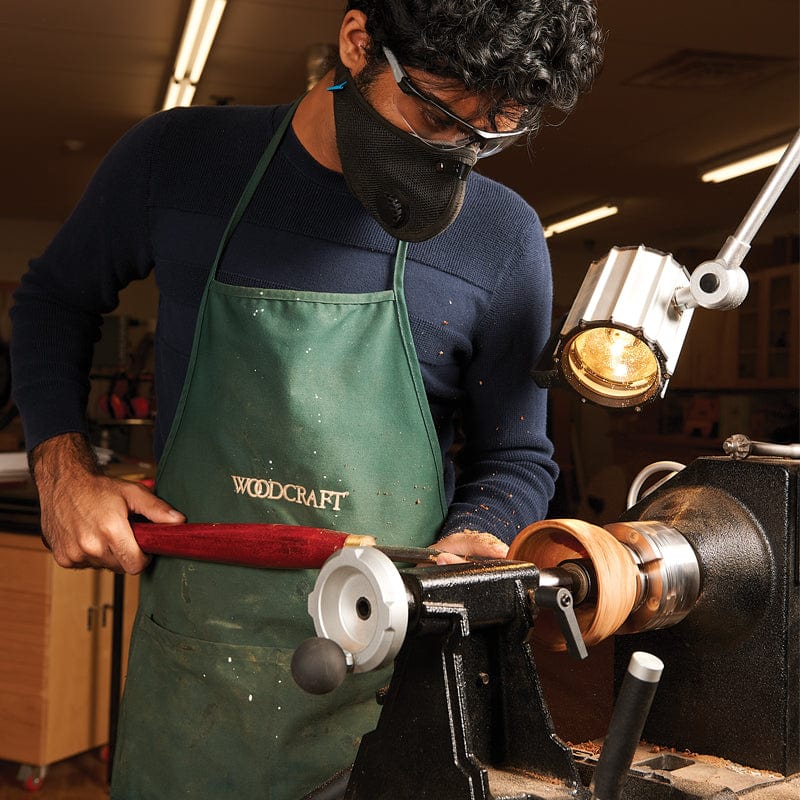
This course will turn the beginner into a safe, experienced, wood turner. The four 3-hour classes build the student's understanding and skill through practice. Weekly projects go home with the student and the method of instruction is demonstrated and coached.

In this class you will prepare stock, prepare a casting mold and turn to a finished project. Preparing stock consist of cutting and/or sanding stock to fit into your casting mold. Prepare the casting mold consist of assembling, sealing and coating the mold to accept the casting resin. The prepared stock and mold will be placed into a pressure pot with the required pressure for a duration of time. The project will be turned and sanded to a finished grit, parted off the lathe and then polished to a glossy smooth finished. You will be turning a previously poured resin blank. The resin blank you will pour in the class will be used for the next upcoming class.

This is a introductory course to CNC. Students will learn the basic components of a CNC machine and fundamentals of how to design and machine a simple sign.

This is a introductory course to VCarve software used for designing projects for CNC. Students will learn the fundamentals of creating and machining a project on CNC.

This is the 2nd class in the series and will advance the skill level of the student to use VCarve software. In this class the student will learn how to use layers, import files, edit vectors, manipulate text and combine multiple toolpaths into one file. The student will design and carve a picture.

This is the 3rd class in the series and will advance the skill level of the student to use VCarve software. In this class the student will learn how to use Transform Function, dimension work, use guidelines, use Tabs, design and machine a gear.

Get started at the lathe by learning the basics of spindle turning. In this exciting hands-on class you'll learn the skills required to start making spindles on the lathe as you turn two objects: a cove and bead stick and a vase. Tools covered include the roughing gouge, the spindle gouge, and the parting tool.

This is the 4th class in the series and will advance the skill level of the student to use VCarve software. In this class the student will learn how to use design 3D project, import 3D objects, manipulate 3D objects, create a toolpath and machine a 3D model.

Want to take your CNC knowledge to the next level? Learn to enhance you CNC projects and signs with inlays using contrasting colors. In this class you will learn how to prepare your project for inlaying and creating the inlay to fit your project.

Stir up some fun on the lathe! Learn how to turn the handle and basic shape of the spoon’s bowl on the lathe, then switch over to carving tools to finish the job. You’ll soon have a lovely spoon to for your kitchen or to give as a gift to one of your favorite chefs.

This is a introductory course to CNC. Students will learn the basic components of a CNC machine and fundamentals of how to design and machine a simple sign.

Explore the possibilities of bowl turning as you learn to use a bowl gouge to turn your first bowl.

This is a introductory course to VCarve software used for designing projects for CNC. Students will learn the fundamentals of creating and machining a project on CNC.

This class will teach the proper sizing of base cabinets, face frame construction, drawer construction and installation. The skills learned in this class will be Pocket Hole and Dado & Rabbet Joinery, installation of cabinet top using various methods. Tools to be used are pocket hole, routers, and table saw. A CABINET TOP IS OPTIONAL AND WILL BE AN ADDITIONAL $100.00 (Butcher Block Top)

This is the 2nd class in the series and will advance the skill level of the student to use VCarve software. In this class the student will learn how to use layers, import files, edit vectors, manipulate text and combine multiple toolpaths into one file. The student will design and carve a picture.

This is the 3rd class in the series and will advance the skill level of the student to use VCarve software. In this class the student will learn how to use Transform Function, dimension work, use guidelines, use Tabs, design and machine a gear.

This is the 4th class in the series and will advance the skill level of the student to use VCarve software. In this class the student will learn how to use design 3D project, import 3D objects, manipulate 3D objects, create a toolpath and machine a 3D model.

In order to get clean, tight-fitting joints in your woodworking projects, you must be able to accurately flatten, square, and true-up your boards before you even begin the joinery. In this class, you'll learn how the Jointer, Planer, and Tablesaw work together to help you accomplish this fundamental, but necessary task.

Get started at the lathe by learning the basics of spindle turning. In this exciting hands-on class you'll learn the skills required to start making spindles on the lathe as you turn two objects: a cove and bead stick and a vase. Tools covered include the roughing gouge, the spindle gouge, and the parting tool.

Want to take your CNC knowledge to the next level? Learn to enhance you CNC projects and signs with inlays using contrasting colors. In this class you will learn how to prepare your project for inlaying and creating the inlay to fit your project.

Table Saw 101 introduces you to basic table saw operation and safety. The class will review the types of table saws, table saw anatomy, how to maintain and tune your saw, proper cross cutting and ripping techniques. This is a hands-on class with proper operation and safety as the main topic.

This class is designed for a full day of turning. In the morning you turn a Pen and the afternoon you turn a bowl. Pen Turning Description: You can make the great looking pens, ones that are as unique as those available in fine gift shops. Learn the tips and techniques that produce excellent results every time. You will be shown how to cut, drill, square the ends, turn, sand, apply a durable finish quickly and then assemble the parts. You start with a raw piece of wood, a pen kit with hardware, a Mini Lathe, and by the end of class you have a beautiful, functional piece of woodworking that you did yourself. Learn the fundamentals of creating a pen from wood selection, tool selection and proper lathe techniques to finishing. Soon you will be making pens for all your friends. Bowl Turning Description: Each student will turn a bowl. Blanks will be mounted and the outside shaped including a tenon. The blank will be reversed and held in a chuck while the inside is hollowed and smoothed. The blank is finally reversed to turn away the tenon. Students will practice the cuts appropriate for shaping and smoothing the inside and outside using a bowl gouge and a scraper. At the end of class students should be able to turn a bowl on their own.

This Course will cover various aspects of using routers, the class will review the router and components, various bits, proper adjustment, operation and safety of the router.

What goes together like chips and dip? Why, wood and ceramics of course! Whether you're new to turning or have already made a bowl or two, you're sure to have a blast with this fun, new, hands-on class. In just three hours you'll learn to turn a wonderful wooden party tray with a recess perfectly sized to fit a ceramic ramekin. All this, just in time for the coming holiday.

This beginning band saw class will provide a hands-on approach to learning the anatomy of the bandsaw. Topics include instruction on the types of band saws, band saw blades and tuning procedures.

This is a introductory course to CNC. Students will learn the basic components of a CNC machine and fundamentals of how to design and machine a simple sign.

This is a introductory course to VCarve software used for designing projects for CNC. Students will learn the fundamentals of creating and machining a project on CNC.

This is the 2nd class in the series and will advance the skill level of the student to use VCarve software. In this class the student will learn how to use layers, import files, edit vectors, manipulate text and combine multiple toolpaths into one file. The student will design and carve a picture.

This is the 3rd class in the series and will advance the skill level of the student to use VCarve software. In this class the student will learn how to use Transform Function, dimension work, use guidelines, use Tabs, design and machine a gear.

Band-saw box art and techniques will spark your interest in woodcrafting and ignite your creative skills. With this woodworking style, you can free yourself from the safe structure of a ruler and let your imagination flow. In this class you will learn the full potential of your band saw. Tools being used will be: band saw, spindle sander, and assorted hand tools.

Explore the possibilities of bowl turning as you learn to use a bowl gouge to turn your first bowl.

Dovetail Jig In this class you learn about the anatomy of the dovetail jig and its application. The templates, router, router bits and guide bushings. A brief discussion about the various other dovetail jigs on the market. The dovetail jig we will use in the class is the Porter Cable 4200 series. Explain the dovetail types and their usage, such as through, half blind, variable space, sliding and box joints. We will discuss stock material and its layout for cutting dovetails. Also we will discuss the safety aspects of using the dovetail jig and its components.

This is the 4th class in the series and will advance the skill level of the student to use VCarve software. In this class the student will learn how to use design 3D project, import 3D objects, manipulate 3D objects, create a toolpath and machine a 3D model.

Want to take your CNC knowledge to the next level? Learn to enhance you CNC projects and signs with inlays using contrasting colors. In this class you will learn how to prepare your project for inlaying and creating the inlay to fit your project.

Get started at the lathe by learning the basics of spindle turning. In this exciting hands-on class you'll learn the skills required to start making spindles on the lathe as you turn two objects: a cove and bead stick and a vase. Tools covered include the roughing gouge, the spindle gouge, and the parting tool.
Just in time for the holidays, learn how to make a “tree-o” of festive Christmas trees on the lathe. Over two nights, you’ll make three sizes of tree then finish them with a combination of milk paint and paint pen. You’ll head home with a group of hand-crafted holiday decorations sure to please.
Students will learn Veneering and Inlay principles and basic techniques. Veneering offers the woodworker the use of woods and woodworking options that are unavailable utilizing solid wood. Prior woodworking experience is helpful but not required. Woodworkers can expect to learn techniques that will advance their skills and provide an exciting range of woodworking options. Some of the topics to be covered in the class include: veneering styles, types of veneer and substrates, veneer cutting, arranging, types of glues used, and various veneer matches. The class will include: hands-on matching, cutting, taping and gluing veneers and inlays.

This is a introductory course to CNC. Students will learn the basic components of a CNC machine and fundamentals of how to design and machine a simple sign.

There are certain combos that just go together: Batman and Robin, peanut butter and jelly, and, of course, salt and pepper. Here’s what makes this project so great. It has a regular saltshaker on top coupled with a pepper mill below. The perfect one-two punch. In this class you’ll expand your spindle turning skills as you make one of these elegant mills for your table, or to give as a gift.

This is a introductory course to VCarve software used for designing projects for CNC. Students will learn the fundamentals of creating and machining a project on CNC.

Face Frame cabinets are one of the most widely used cabinets. The face frame is attached to the front of the cabinet box (carcass) and the cabinet doors cover the opening of the face frame. Students will be making a cabinet carcass along with the face frame using specific joinery methods to assure solid construction. Students should be prepared for hands-on use of the table saw, router, Kreg Pocket Hole Jig, clamps and other miscellaneous woodworking tools. Skills developed in this class will apply to many other woodworking projects. Students will be able to take the completed cabinet home.

This is the 2nd class in the series and will advance the skill level of the student to use VCarve software. In this class the student will learn how to use layers, import files, edit vectors, manipulate text and combine multiple toolpaths into one file. The student will design and carve a picture.

Students will learn about the different router tables and fence systems available. In addition, students will develop an understanding of the advantages of using a router table instead of a hand-held router for specific woodworking functions and about bits that are only used in the router table.

Explore the possibilities of bowl turning as you learn to use a bowl gouge to turn your first bowl.

This is the 3rd class in the series and will advance the skill level of the student to use VCarve software. In this class the student will learn how to use Transform Function, dimension work, use guidelines, use Tabs, design and machine a gear.

In this class you will make and take home a Raised Panel Door. This configuration of raised panel door will include a fixture (template) that will allow you to add a decorative profile to the door. You will also learn how to size the panel within its frame to accommodate wood’s seasonal movement. The door will be built using a band saw, templates, and router table, with a constant emphasis on safety. This class will give you the confidence you need for making raised panel doors in your own shop.

This is the 4th class in the series and will advance the skill level of the student to use VCarve software. In this class the student will learn how to use design 3D project, import 3D objects, manipulate 3D objects, create a toolpath and machine a 3D model.

Learn the basics of woodcarving as you create a stylized bird figurine. Topics covered: tools to use including knives, chisels, and carving burrs; sharpening; work holding; wood selection; reading the grain; and more. Participants need to have or purchase a small carving knife such as Flexcut’s model KN13 (#814267) or KN12 (#814266) or/and a Kevlar safety glove (#06I63-other sizes available—you’ll only need one, not a pair)